

Selecting a Small Patio Heater Electric
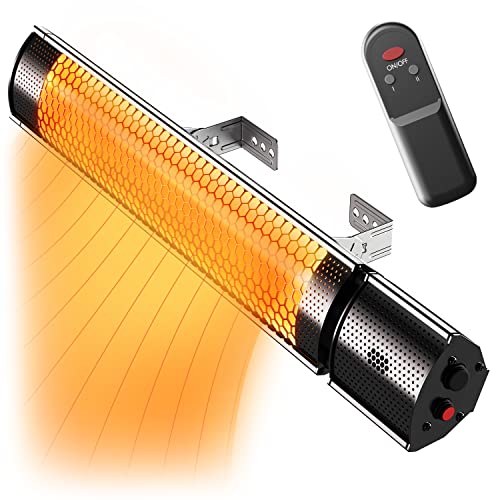
If you have a limited outdoor space to heat, look for a small patio heater electric. They only require a power outlet, and they are often adjustable in their heat settings.
Gotterbarn recommends the Infratech wall-mounted heater for its thin construction, which provides wind resistance. Customers also found that it balanced design and function. It requires a 220/240V hookup and is simple to set up.
Size
The dimensions of your patio and the amount you need of heat will determine which type and model of heater is best for your requirements. Patio heaters can be powered by electricity or gas, and their heat output measured in Watts and BTUs. The more BTUs the stronger the heater.
Electric patio heaters are generally less powerful than gas counterparts, but they still provide enough warmth for smaller areas. These heaters are great for areas with little or no natural ventilation, or those that are susceptible to wind. They don't release any carbon monoxide.
Small patio heaters typically offer a range of heat settings, which can be useful when you're planning on using the space at different times or at different distances from the heater. Some models have a single fixed heat output, so it's important to read the description of the product carefully prior to purchasing. The Cuisinart tabletop patio heater, for example, offers adjustable heating settings ranging from 750W to 1500W to accommodate a range of temperatures.
Power
The energy output of a patio heater is measured in British thermal units (BTUs) and Watts. The amount of BTUs it produces can vary dependent on the size of the area you want to warm, the weather conditions and the type of fuel you use. Some of the most effective patio heaters can heat large areas and are ideal for larger patios. Others, such as the Star Patio Electric Tabletop Patio Heater, are less efficient, but they can provide sufficient heating for smaller areas.
It is also important to consider how much control you'd like over your heater's heat settings. Certain models let you select from a range of options, while others provide a preset amount of heat that stays constant. If you intend to use your patio heater in windy weather, choose one with an adjustable heat setting.
Electric patio heaters can plug into standard 120-volt outlets. Natural gas and propane require a professional to install them with a specific system of flues. This kind of heating system is ideal for outdoor areas which need to be heated all year long however, it is not suitable for indoor use. Natural propane and gas patio heaters also emit carbon monoxide. Therefore, they should never be used in confined areas unless they are properly vented.
The type of fuel that you select will impact your maintenance and cost requirements. Liquid propane heaters for patios, like the AZ Patio Heaters Propane Patio Heater that we've included in this article, typically make use of 20-pound propane tanks that you can refill at the local convenience store or gas station. These kinds of heaters for patios are the most popular with customers and come in various styles that are portable such as the tall tower-style floor heaters that are commonly used in bars and restaurants with outdoor seating.
For a longer-lasting solution to your heating requirements for your patio look for a mountable or ceiling-mounted option that's easily fitted into a masonry wall structure like a deck, pergola or gazebo. These heaters usually connect to existing plumbing or wiring and are easy to install however, they could require more upfront expenses than other heaters for your patio.
Safety
No matter what kind of patio heater you select, there are some security precautions that must be considered. If you're using an electric heater, make sure to be sure to keep it away from anything that may catch fire. This includes paper, fabric, or certain plastics. Heat radiation and sudden movements can also be a danger. Additionally you should never leave a heater on the floor unattended, particularly if it's powered by gas.
Propane or natural gas patio heaters release carbon monoxide, and other harmful gases. They can cause illness or even death if they are inhaled. They should, therefore, only be used in outdoor areas. They also require enough space to be able to vent properly.
If you are planning to utilize a propane or natural gas outdoor heater it is recommended to install an outdoor vented CO2 and/or CH4 detector within your home. This will notify you of harmful emissions and help ensure that you are safe from carbon monoxide poisoning. The detectors can be found at most hardware and home improvement stores and are simple to set up.
It's also crucial to ensure that the patio heater is on a level surface and is not too close to objects that could be damaged by the heat it creates. A stand-up patio heater should be at least 3 feet from any object, and a wall-mounted patio heater should be attached to an exterior wall or structure, like a gazebo, to prevent it from crashing over.
Some gas and propane patio heaters come with an automatic tip-over shutoff feature. This feature is activated the moment when the unit is tilted, or is not on a flat surface. It then turns off the power to prevent a possible fire risk. But, it's recommended to be vigilant as even units with this technology can fall over and create a fire hazard.
This is why you should always be near the heater during operation, and don't leave it unattended. If you live in a sweltering region, make sure that the patio heater has a sturdy base and is properly weighted or secured.
Cost
heater patio electric of a heater for your patio to your outdoor space allows you to extend your enjoyment of outdoor dining, relaxing or entertaining into cool evenings and throughout the year. There are numerous overhead, freestanding, and tabletop models you can pick from to suit your budget and style.
The cost of a smaller electric patio heater varies based on the size and type of the model you pick as well as the fuel source. For instance propane heaters are generally cheaper than natural gas models. The amount of BTUs (British Thermal Units) produced by a patio heater may be quite different. The smaller models can generate up to 10,000 British Thermal Units (BTUs) and the larger ones can generate more than 40,000 BTUs.
In addition to the price take into account safety and ease of use when selecting an electric patio heater for your small space. Many portable, free-standing models come with wheels and are simple to move. These types of units are popular with bars and restaurants with outdoor seating since they are able to heat several tables. They are typically connected to standard outlets and are energy-efficient but they don't produce the same amount of heat as other kinds of heaters.
Other models are wall or ceiling mounted and require professional installation. These heaters are great for areas that have limited floor space or high ceilings that aren't able to accommodate standing heaters. These kinds of heaters are usually safer since they don't release pollutants such as carbon monoxide although they must be used in a ventilated space in accordance with the manufacturer's instructions. Certain models are made of weather-resistant materials that minimize damage from rain or wind. These models are often equipped with a CSA-certified shut-off valve that prevents accidental burns.